
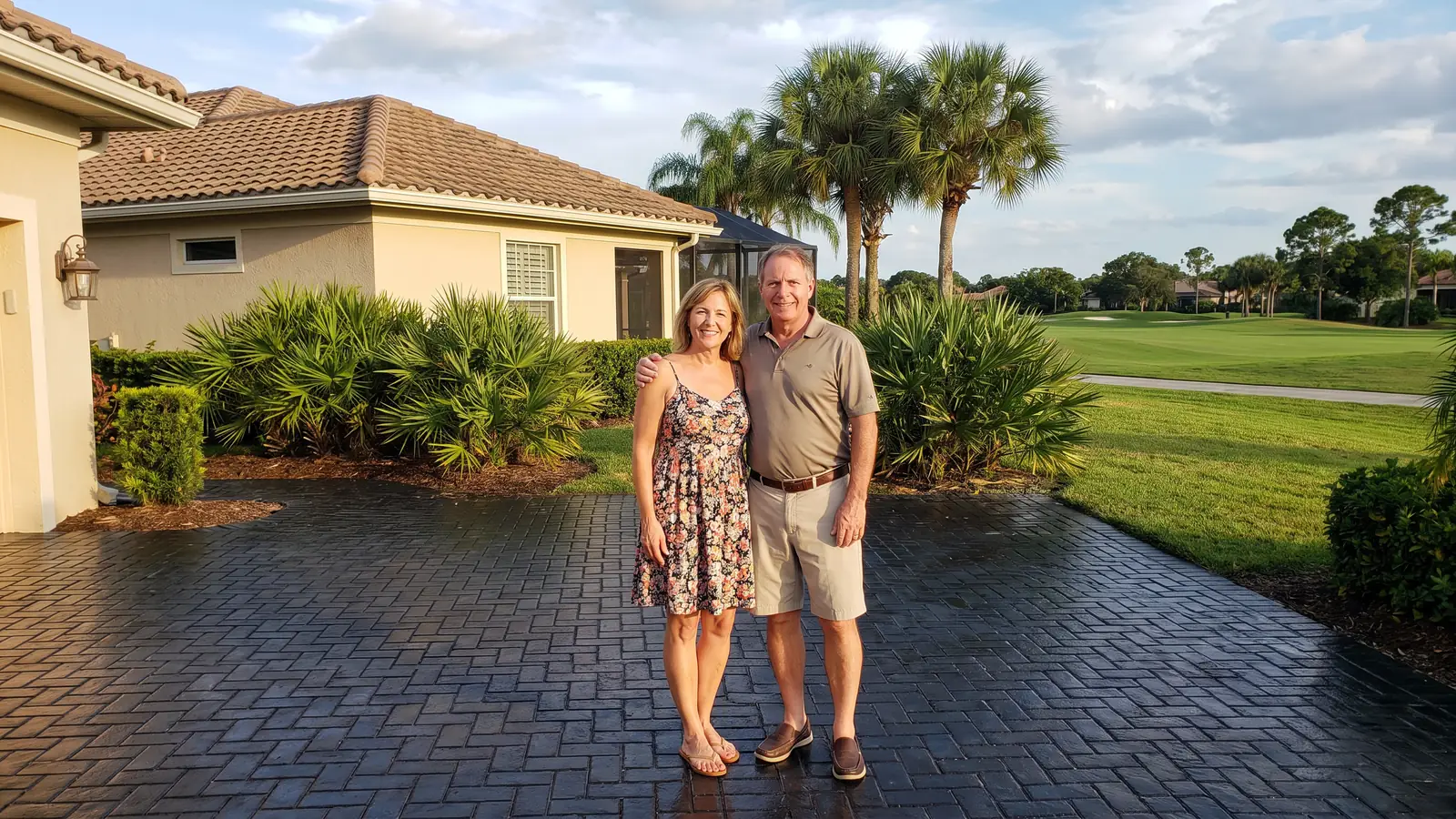
Paver sealing for San Marco homes
Paver Sealing in San Marco, FL
San Marco's old brick and river water change how pavers get sealed, so call (904) 606-1450 for a free estimate.
- Brings out deeper paver color
- Fresh joint sand helps lock pavers in place
- Gives weeds less room to grow
- Makes the surface easier to keep clean
- Free estimate, no obligation
Request a Free Estimate
Free, no obligation.
Fast, careful paver sealing in San Marco
Paver sealing for San Marco homes covers brick courtyards, concrete drives and river-lot walks alike. A local contractor washes, re-sands and seals, with a free estimate to start. Call (904) 606-1450 for a reply within 1 business day, and it is usually much sooner.
Maybe your front walk has gone green under a magnolia and the joints have thinned to nothing. After a wash, fresh sand and the right coat, the same pavers look steady and clean again, and they stay that way longer. When you are ready to find out what yours need, request your free estimate.
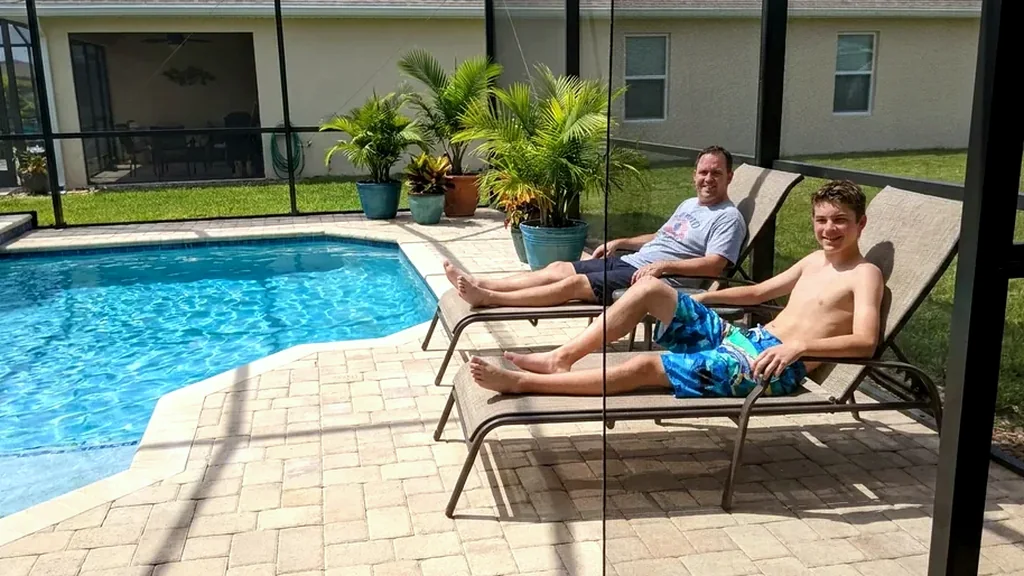
Why hire a local paver sealing contractor in San Marco?
San Marco has older brick, tight lots and a river that rises with storms, which is why a local paver contractor matters here. Learn what that means for your block when you request your free estimate.
Brick-friendly sealers
Old clay brick often wants a breathable, penetrating sealer. A contractor picks the product after learning what your surface is.
Historic rules flagged
Some San Marco lots need city approval for exterior work. A contractor reminds you to check the map before the date is set.
Prices in plain view
Posted rates start at $1.75 per square foot and reach $3.25 for the whole clean, sand and seal.
A free first visit
The contractor measures at no charge, you get a number, and nothing is signed until you say so.
Get Your Free Estimate in San Marco
Tell us about your pavers in San Marco.
Free, no obligation

What paver problems show up most in San Marco?
River water in the yard and on the drive
During Hurricane Irma the St. Johns River rose to a record 5.57 feet on September 11, 2017, and San Marco homes flooded. A River Road home showed a high-water mark of about 5 feet. Pavers that sat in river water can hold silt, which has to be washed off before sealer goes on. Point out the low corner of the lot, since that is where silt tends to settle. Wakes from passing boats can also push water ashore on river lots.
Old clay brick that has to breathe
One Northeast Florida paver company points old clay brick toward a breathable, penetrating sealer, because a surface film can hold moisture in and flake. San Marco grew from a brickyard's clay pit, and brick runs through its history. If your walks or courtyard are brick, the sealer type matters more than the shine. A contractor should ask what the surface is made of. Brick also traps haze from minerals in the joints, so a wash and a dry-out come before anything is rolled on. Marco Lake itself began as a clay pit for the Gamble and Stockton Brick Company, so clay is part of the neighborhood's story. The San Marco Preservation Society formed in 1975 to protect the neighborhood's historical and architectural character.
Green film under magnolias and oaks
San Marco's parks show how heavy the tree cover gets. Landon Park is shaded by large magnolias and oaks, and Largo Well Park has a live oak and a magnolia at each end. Moss and algae grow on pavers where shade keeps them damp. A walkway under that kind of canopy usually goes green first and dries last. Dropped leaves and magnolia litter add to the mess, so the first wash can be a long one. Belmonte Park is surrounded by oaks as well, so heavy shade is common across the neighborhood.
Thin joints on older lots
A typical Jacksonville year brings about 52 inches of rain, with the heaviest bursts between May and September. Heavy water pulls sand out of joints, and open joints let soil in. Weeds start there. On a small San Marco lot, a single gap by the front steps shows right away. Fresh sand is the repair, and it has to go in before the sealer does so the joints stay full. Gaps near steps and edges are where weeds start first.
Sealer from an earlier owner
Homes in the Alexandria Place area have a median year built of 1939, so many have changed hands more than once. An earlier owner may have rolled on something nobody recorded. Laying water-based sealer over a solvent-based coat does not work, so the old product gets identified. The old coat decides what goes on next, and peeling or cloudy patches are the clue. A short chat about who owned the house before you can save a call to a stranger later. Fletcher Park began as a 1919 housing project for shipyard workers, so homes of many ages sit close together here. Alexandria Place's median build year of 1939 shows how old some of these lots are.
Do I need approval to seal pavers in San Marco?
It depends on your address. The City of Jacksonville requires a Certificate of Appropriateness for exterior work in a historic district or on a designated landmark, and it lists driveways as an example. The Land Development Map shows whether your lot is covered. Check the map first, then request your free estimate.
San Marco is an 80-acre community with winding streets, planted medians and parks, and Colonial Manor and South Riverside sit inside it. The planners aimed for Italian Renaissance Revival, but few homes kept to it, and many styles appeared by the late 1920s. Mixed styles mean mixed materials at the front door, so tell the contractor what yours is made of. Call (904) 606-1450 with your street name.
The San Marco Preservation Society formed in 1975 to protect the area's history and architecture. The city's page does not mention sealing by name, so a short question to city staff can save you trouble later. Pavers beside stone steps, stucco or old brick call for gentle rinsing near the house. When you know what applies, request your free estimate.
What does paver sealing cost in San Marco?
San Marco jobs tend to be priced by what the lot holds: a short drive, a courtyard, a rear patio. Published rates run $1.75 to $3.25 per square foot to clean, sand and seal, and Safe Touch says a failed coat moves the job to strip-and-reseal, a higher tier. Silt from high water and heavy shade add washing time. To put a price on your block's pavers, request your free estimate.
Access moves a quote too. A small courtyard behind an older house, or pavers up a few stairs, can mean more hand carrying and more prep, a Jacksonville cost guide says. A bigger rear patio or pool deck simply adds square feet. To learn which of these fit your lot, phone (904) 606-1450.
| Paved area | Typical example | Clean, sand and seal |
|---|---|---|
| 300 sq ft | Small patio or walkway | $525 to $975 |
| 600 sq ft | Two car driveway | $1,050 to $1,950 |
| 1,000 sq ft | Large driveway or pool deck | $1,750 to $3,250 |
| 1,500 sq ft | Driveway plus pool deck | $2,625 to $4,875 |
Math based on the $1.75 to $3.25 per square foot that Northeast Florida paver companies publish. Your contractor sets the actual price after seeing the surface. Repairs, leveling and stripping failed sealer are usually extra.
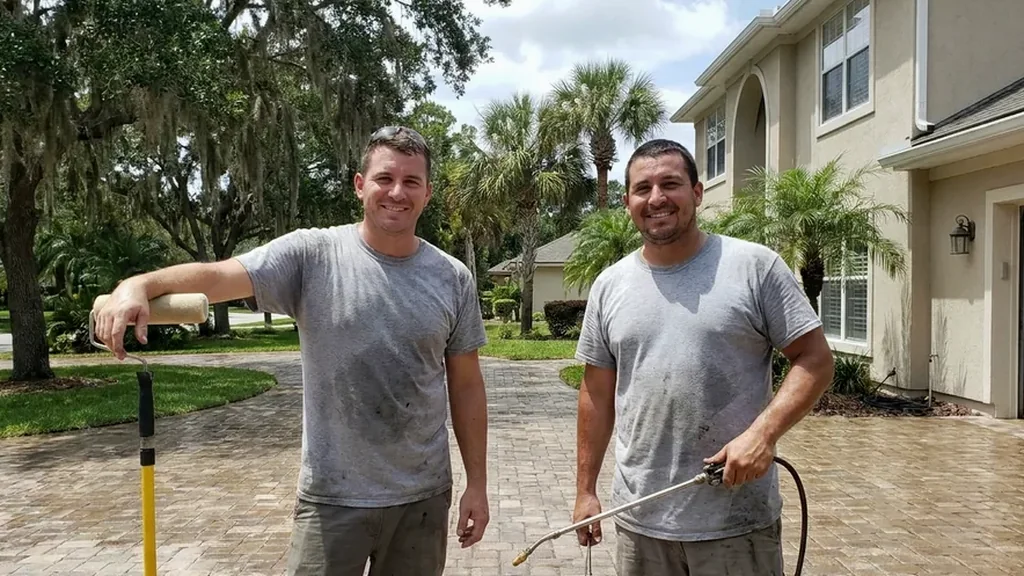
How does a paver sealing job work in San Marco?
Find out what the pavers are
First, the contractor finds out what your pavers are made of. Concrete, clay brick and travertine each take a different sealer. Any earlier coat gets identified, because it limits what can go on top. Low or lifted spots are marked for repair, because sealing over a dip only preserves it. Ask about any past flooding while the contractor is on the lot.
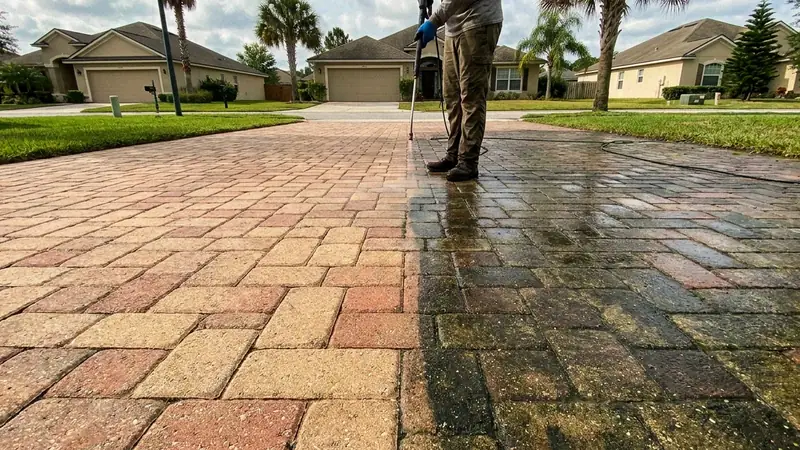
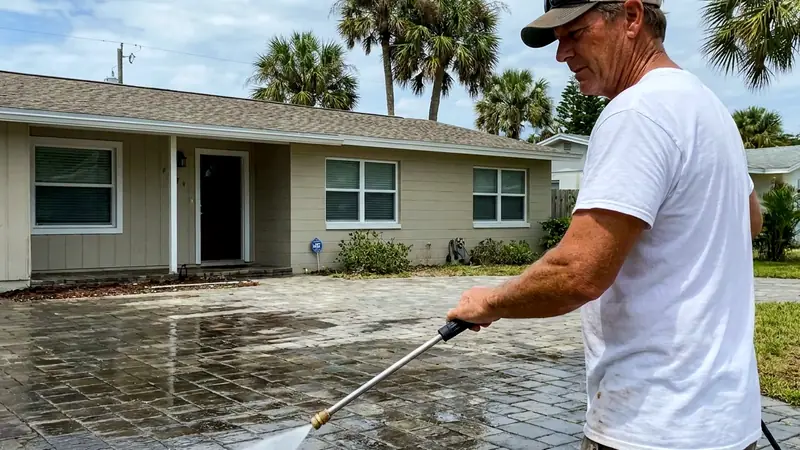
Clean off silt, algae and grime
The wash lifts green film from shaded walks and any silt left by river water. Rinse water stays away from stucco, wood trim and old stone beside the pavers. A contractor who knows older homes keeps the spray low and the pressure matched to the surface. Efflorescence, the white haze, is treated here too, since a brick maker warns that sealant locks in dirt and haze permanently.
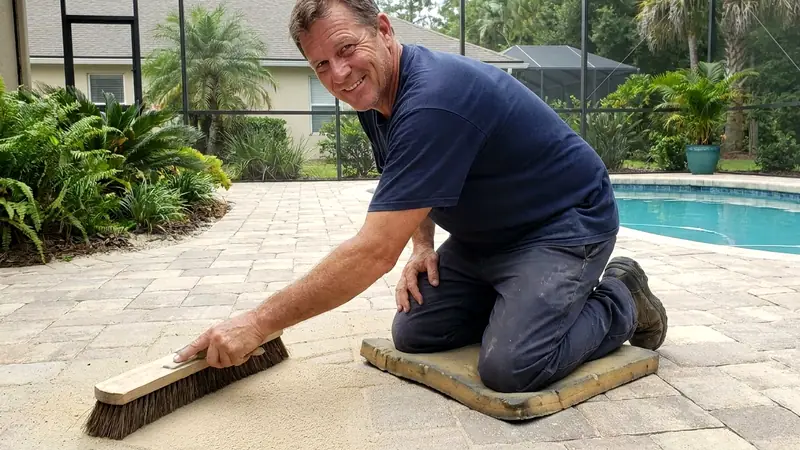
Refill the joints
Fresh sand goes into every joint and gets swept clear. Full joints keep the pavers snug and leave less room for weeds. On an older lot, expect this step to take longer if the joints have been low for years. Sand color can usually be matched to what already sits in your joints.
Hold until bone dry
A brick maker's guide says sealant should never go over damp or dirty surfaces. After heavy rain or high water, shaded San Marco yards can stay wet for days. Dew counts as well, so early mornings in shade are often too damp to start. Sealing waits for dry pavers.
Seal with a product that fits the surface
The sealer goes on in the type and finish you chose. Brick often gets a breathable penetrating product, while concrete can take a film-forming one in matte or wet look. Many pros spray and then back-roll it, which works the product into the joints. Wet look finishes show scuffs sooner, while matte hides them longer. Edges along planting beds and steps are worked by hand.
Complete paver services in San Marco
Order matters on an older San Marco lot. Algae, silt and grime come off first, new sand fills the joints, the surface dries, and sealer goes on at the end. That way the coat grips clean pavers. For a sense of how long your lot would take, call (904) 606-1450.
Driveways in San Marco are often short and narrow, while courtyards and rear patios hold the larger square footage. Front walks under magnolias go green first. Brick pavers near older homes get gentle cleaning and a breathable coat. List each surface you want done when you request your free estimate.
Begin with the surface and the old coat. Old clay brick likes a penetrating product that lets moisture out, and any earlier coat narrows the choices. Concrete can take a matte film or a wet look, and matte is quieter beside an older facade. Call (904) 606-1450 to talk through your pavers.
River and rain set the calendar here. Summer storms are brief but hard, and the driest months run from November through April. High water can leave a lot damp longer than the forecast suggests. To pick a date that suits your block, request your free estimate.
Questions to ask before you hire
- Can you work around my sprinkler schedule and keep the zones off for the cure time?
- What do you do about efflorescence, the white haze that comes up through the pavers?
- Will you show me the sealer's data sheet, not just the product name?
- Does my HOA need a notice before the work, and can you give me a start date for it?
- How do you handle pavers near a screened lanai or pool cage?
- How long before I can park a car on the driveway again?
- Do you rinse salt film off the pavers before sealing, since I am close to the ocean?
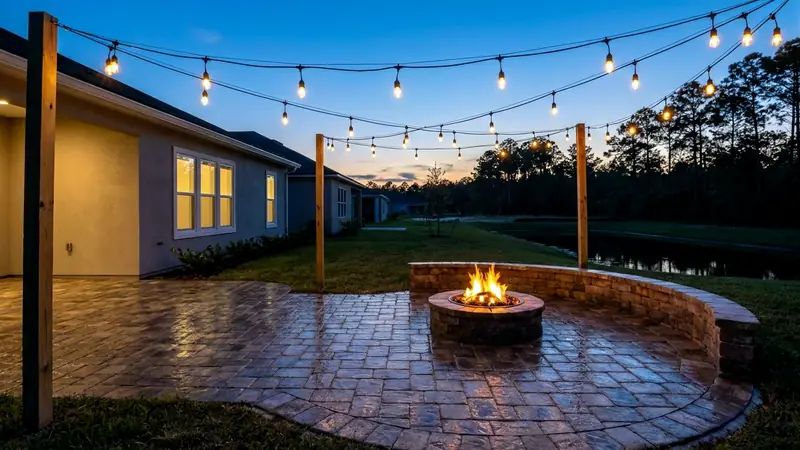
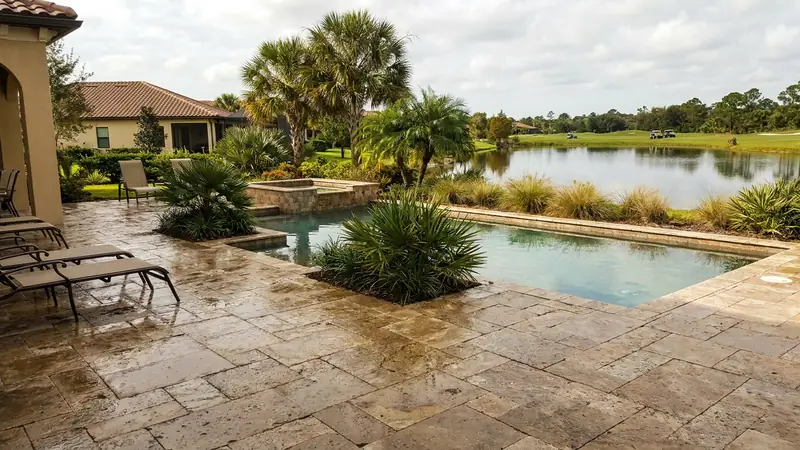
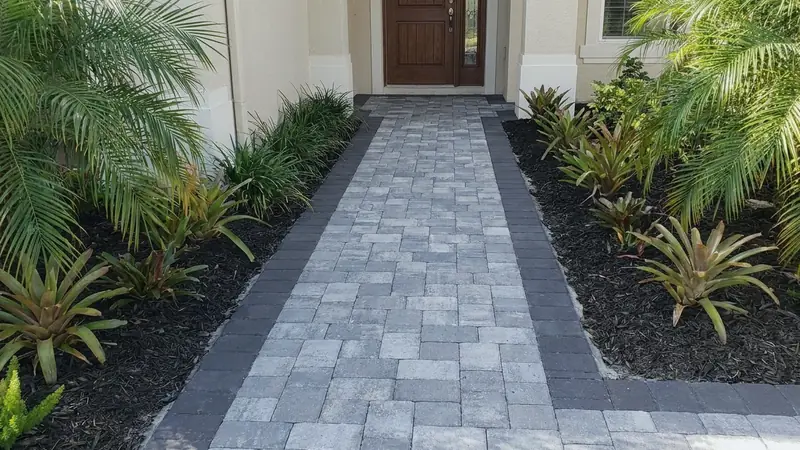
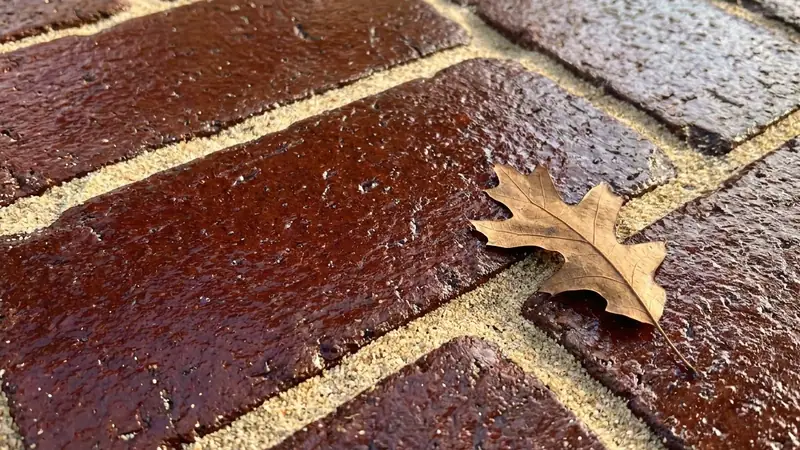
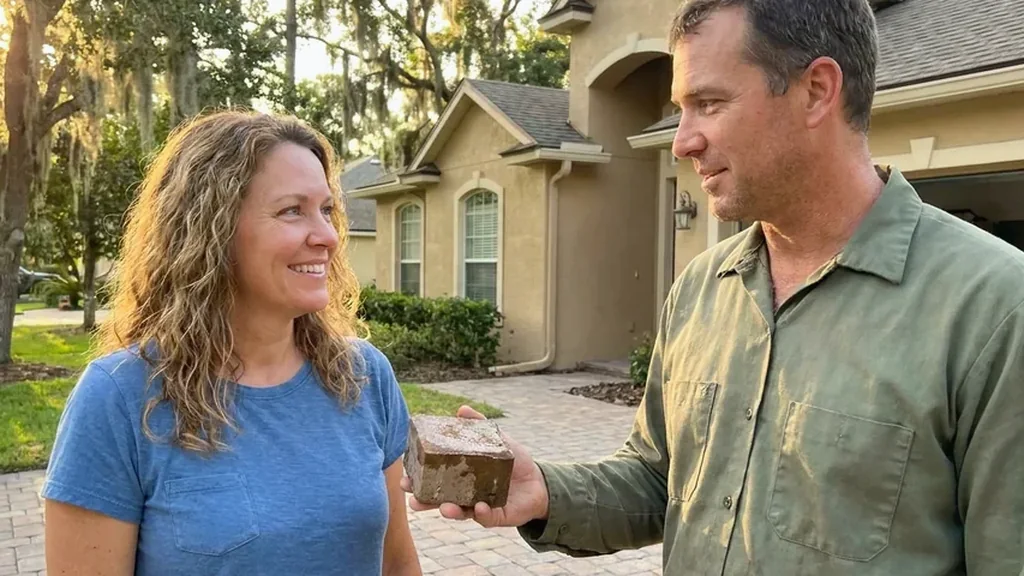
What do sealed pavers look like around San Marco?
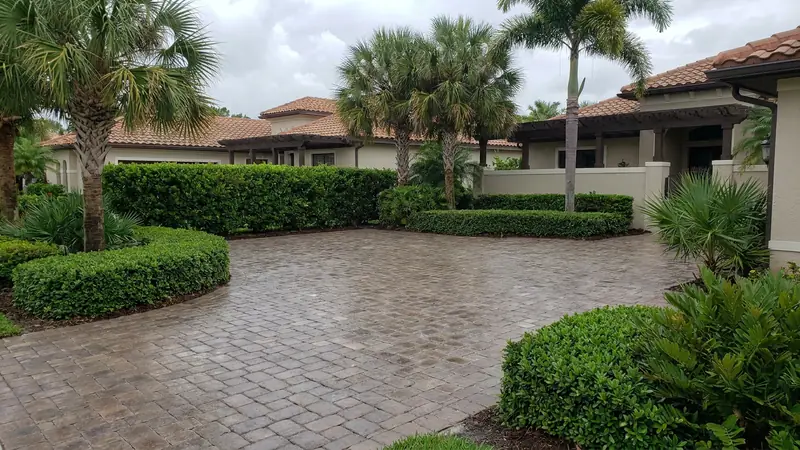
Why local matters in San Marco
River water is the first thing a San Marco contractor asks about. Flooding has been part of life here for generations, and the new LaSalle Street pump station will not stop all of it, its builder said. A contractor will ask when your lot last took water and whether the pavers sat in it. For a contractor who works the neighborhoods south of Downtown, call (904) 606-1450.
Older materials need a lighter hand. Brick, stucco and stone sit right beside pavers on many lots. A contractor used to the area keeps rinse water off them and picks a sealer that will not trap moisture. Describe what your house is built from when you request your free estimate.
Historic rules add one more step. Some San Marco properties need a Certificate of Appropriateness for exterior work, so a local contractor will point you to the Land Development Map. That one check prevents a delay later, and it costs nothing to ask. If you want to start, request your free estimate and mention your address, and you owe nothing for asking.
What is San Marco known for?
It is a river neighborhood across from Downtown with Mediterranean flavor and many parks. The San Marco Theatre opened in 1938 in the art deco style, and Theatre Jacksonville's building on San Marco Boulevard was added to the National Register in 1991. Marco Lake began as a brick company's clay pit and grew into a lake with a canal to the river. If you live near the Square, request your free estimate.
Fourteen parks are listed here, including Belmonte Park, Landon Park with its rose garden and Largo Well Park. Landon Park is shaded by large magnolias and oaks, a good picture of how leafy the area is. Fletcher Park began as a World War I housing project for shipyard workers and was finished in April 1919. If your home is by any of these parks, call (904) 606-1450.
Frequently Asked Questions
What is the average cost to seal pavers in San Marco?
Local companies post a range of $1.75 to $3.25 per square foot for a clean, sand and seal. A failed old coat means strip-and-reseal, which sits higher. Ask for the measured square feet in writing so you can compare quotes. Heavy shade or silt can add washing time, which is why a look at your own pavers beats a guess.
What are the downsides of sealing pavers in San Marco?
The main downsides are upkeep and timing. Sealer wears down and needs another coat every few years, and scuffs show sooner on a wet look. It also needs a dry surface, which can delay a San Marco job after rain or high water. Those are small costs next to the dirt, weeds and fading an unsealed surface collects.
Is a sealer coat a good idea in San Marco?
Yes in most cases. Sealer keeps oil, grease and dirt riding on top instead of soaking in, and it holds joint sand in place. Old brick needs the right type, so ask the contractor what suits yours. Shaded walks stay damp, so a coat also makes the next wash easier.
Can you clean, sand and seal pavers in San Marco in one job?
The usual full job covers all three. First comes the wash, then new sand, then a wait for the surface to dry before the sealer goes on. A wet week can push your date back. Ask the contractor to check the low corner of your lot, where silt settles.
How much does it cost to seal outdoor pavers in San Marco?
Posted rates in this region start at $1.75 per square foot and reach $3.25 for the clean, sand and seal. Tight access, stairs and heavy stains can raise a quote. A free estimate shows the number for your own lot. Ask which steps are included, since some quotes leave out sanding.
Do I need city approval to seal pavers in San Marco?
It depends on your address. Jacksonville requires a Certificate of Appropriateness for exterior work in a historic district or on a landmark, and driveways are named as an example. The page does not mention sealing directly, so check the Land Development Map and ask city staff. Owners who ask first avoid stop-work surprises. Staff, not a contractor, decide what applies.
What sealer works on old brick pavers in San Marco?
A breathable, penetrating sealer is often recommended for old clay brick. Trapped moisture under a film sealer can lead to flaking and haze. The contractor should identify the surface and any old coat before choosing. Penetrating products soak in and leave the look nearly unchanged, so the brick keeps its natural color.
How soon after high water can San Marco pavers be sealed?
Once they are clean and fully dry. The contractor has to wash off silt and replace lost joint sand first. Sealing over damp or dirty pavers locks those problems in. After a storm like Irma, silt can sit in the joints for weeks. Ask the contractor to check the low corner of the lot. Water close to a foot deep sat in one riverfront garage during Irma, which shows how high it can rise.
Nearby areas we serve
Ready for a Free Estimate in San Marco?
Call (904) 606-1450 and tell us about your pavers.
Free, no obligation