
Paver sealing for Palencia homes
Paver Sealing in Palencia, FL
Costa del Sol lots in Palencia were planned 90 to 100 feet wide; call (904) 606-1450 for a free sealing estimate.
- Brings out deeper paver color
- Fresh joint sand helps lock pavers in place
- Gives weeds less room to grow
- Makes the surface easier to keep clean
- Free estimate, no obligation
Request a Free Estimate
Free, no obligation.
Fast, careful paver sealing in Palencia
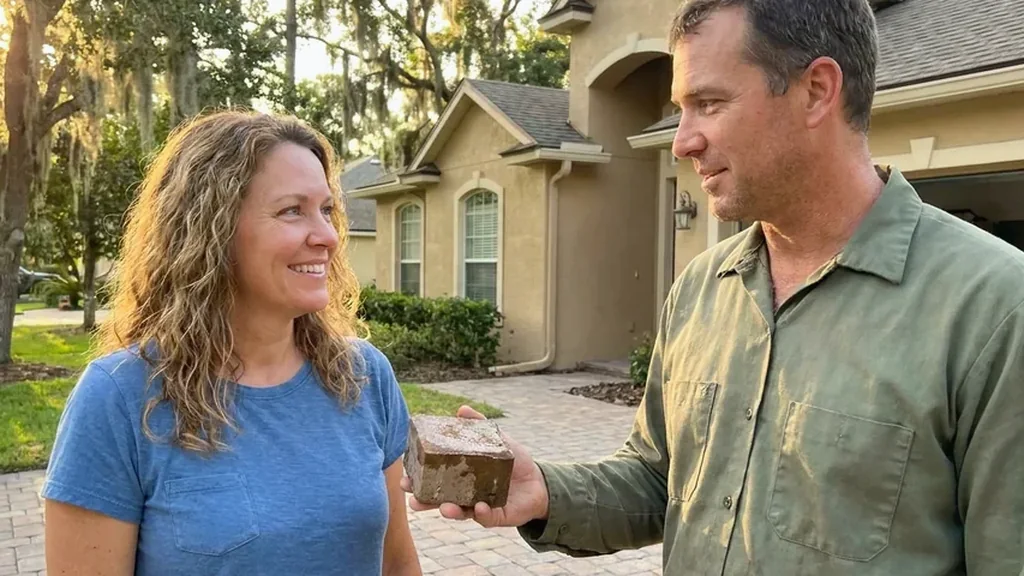
If you live in Palencia, paver sealing starts with a free look at your driveway, courtyard or pool deck. A local contractor handles the wash, the new sand and the sealer. Use the link to request your free estimate, and a reply follows within 1 business day, usually much sooner.
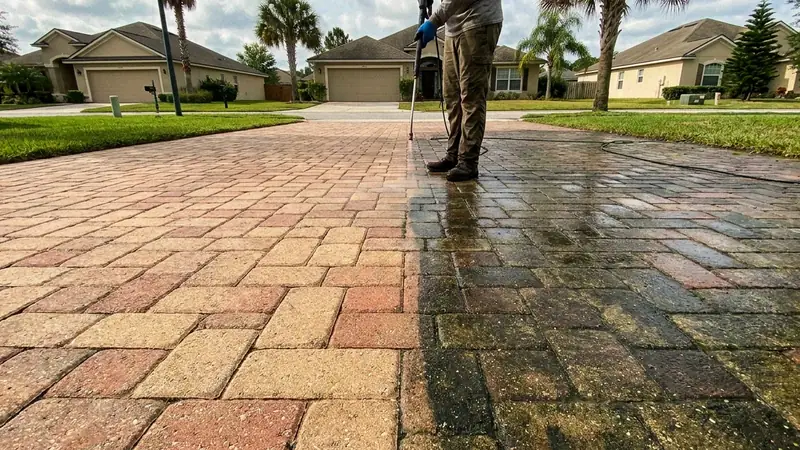
Picture the motor court you drive across every day: color dulled under the oaks, joints thin along the edges and a green tinge near the garage. After a wash, fresh sand and a coat, the surface comes back to one steady tone. If you would like to talk it over first, call (904) 606-1450.
Newer pavers have their own question. One St. Augustine paver company says brand-new pavers should wait about 60 to 90 days before sealing. If your home is recent, tell the contractor the install date when you request your free estimate. The contractor can then tell you whether to wait or to book a wash now.
Why hire a local paver sealing contractor in Palencia?
Palencia was planned around old oaks, marsh and golf, and each of those changes how pavers wear. A local paver contractor works with that mix every week, so request your free estimate and hear how it applies to your lot.
Free to look
A local contractor measures your Palencia pavers and gives a written price. Nothing is owed for the visit.
Larger jobs, better rate
The published range is $1.75 to $3.25 per square foot, and larger Palencia jobs tend to earn a better rate per foot.
Stone needs its own plan
Travertine and natural stone are more porous than concrete pavers, so the sealer and the finish chosen for them can differ from a driveway plan.
Rules stay in your hands
You choose the finish and the date, and an association's documents set what it may review. Read them before you decide.
Get Your Free Estimate in Palencia
Tell us about your pavers in Palencia.
Free, no obligation

What paver problems show up most in Palencia?
Oak shade over long driveways
Palencia was planned with staff hand-marking trees to save, and its golf course runs through centuries-old oaks. Shade like that keeps pavers damp. A St. Johns County paver company says patios and walkways under tree cover deal with leaf tannins, mildew and irrigation. Expect green growth and dark leaf stains where the canopy is thickest, and plan for a wash when you notice them. A cleaning followed by a coat gives the leaf stains less to grip. Palencia's 30-acre park system, joined by boardwalks, adds more shaded ground close to many homes.
Marsh humidity that never leaves
About two miles of Palencia sits along the Intracoastal Waterway, beside cordgrass marshes. A St. Augustine company says shade and humidity grow algae and mildew on anything that stays damp, usually side yards and the north-facing patio. Those spots rarely dry out fully. Sealing helps, since a coated surface is easier to clean when growth returns. Pavers near the garage and the lanai edge are common places to see it first. The Tolomato River beside the community has extensive cordgrass marshes, so marsh air is part of daily life.
Pool decks and natural stone
If your Palencia home has a pool deck, the stone matters. A St. Johns County paver company says pool surrounds need a different drying and application plan, and that natural stone is not treated like concrete. Travertine and natural stone are more porous than concrete pavers, which means stains soak in sooner. Ask the contractor how the sealer is chosen for each surface. One local company calls matte the safest finish near pools, since gloss without an anti-slip additive is slippery when wet.
Irrigation marks and rust
Irrigation can leave marks on pavers, and a First Coast paver company says rust stains come from metal furniture, garden tools or iron-rich hard water. The Palencia Club course draws most of its irrigation from a stormwater pond with a backup well. Look at your own spray heads and furniture feet. The contractor treats rust first, because a coat over it would trap the stain. Showing the contractor where the spray lands helps plan the cleaning.
Pavers that were never sealed
Palencia's median home was built in 2015, and full-force work began back in 1997, so ages vary widely. Some pavers may never have had a coat. Others may have an old one that peels. A St. Augustine company says cloudy, peeling sealer must be stripped before resealing, since new sealer over a failed coat peels again. A short test patch settles what is already on the surface. About 79 percent of parcels carry a homestead exemption, which suggests most owners live in the homes and see the pavers every day.
Do Palencia Village, North River and Costa del Sol need different paver sealing?
The steps stay the same, but lot size and tree cover change the work. Costa del Sol lots were planned at 90 to 100 feet wide and 180 to 300 feet deep, with wooded buffers between the course and the homes. The North River estate sites were described as heavily treed, with oak canopies and marsh views. Mention your section when you request your free estimate.
Palencia Village is the center, with the clubhouse, swim and fitness center, tennis center and Village Green, and Market Street as its main street. The community was designed to reflect St. Augustine's history and Spanish colonial style. Ask for a finish that suits the look of your home, and call (904) 606-1450 to talk it through.
In a master-planned community, check your declaration before choosing a finish. Florida law lets an association review how an improvement looks only to the extent its documents say so. A written approval, if one is needed, saves a second trip. When you know where you stand, request your free estimate.
Palencia North, next door, is an 875-acre community with 652 residential lots and more than a mile of frontage on the Tolomato River. Marsh frontage can mean more damp air around the pavers. If your lot backs onto marsh or the river, say so when you request your free estimate.
What does paver sealing cost in Palencia?
A long driveway, a courtyard and a pool deck add up quickly, and Northeast Florida companies commonly publish $1.75 to $3.25 per square foot to clean, sand and seal. Larger projects tend to get a better per-square-foot rate. Prep and access still decide where a Palencia job lands in that range, and a sound quote comes after an on-site walkthrough. For a measured total, request your free estimate.
Stone costs more, because travertine, natural stone and brick pavers are more porous than concrete and need different sealer chemistry. Gates, tight side yards and furniture also change a quote. Failed older sealer that needs stripping before a reseal also raises the quote. Call (904) 606-1450, and a contractor can tell you which of these apply to your yard.
| Paved area | Typical example | Clean, sand and seal |
|---|---|---|
| 300 sq ft | Small patio or walkway | $525 to $975 |
| 600 sq ft | Two car driveway | $1,050 to $1,950 |
| 1,000 sq ft | Large driveway or pool deck | $1,750 to $3,250 |
| 1,500 sq ft | Driveway plus pool deck | $2,625 to $4,875 |
Math based on the $1.75 to $3.25 per square foot that Northeast Florida paver companies publish. Your contractor sets the actual price after seeing the surface. Repairs, leveling and stripping failed sealer are usually extra.
How does a paver sealing job work in Palencia?
Read the age and the surface
The contractor starts by learning when the pavers went in and whether they have ever been sealed. New pavers may need to wait 60 to 90 days. Old coats are identified, since water-based sealer cannot go over solvent-based sealer. Sunken or lifted sections get reset before any sealing. Bring any install records, since they can answer the age question quickly.
Wash off oak film and marsh growth
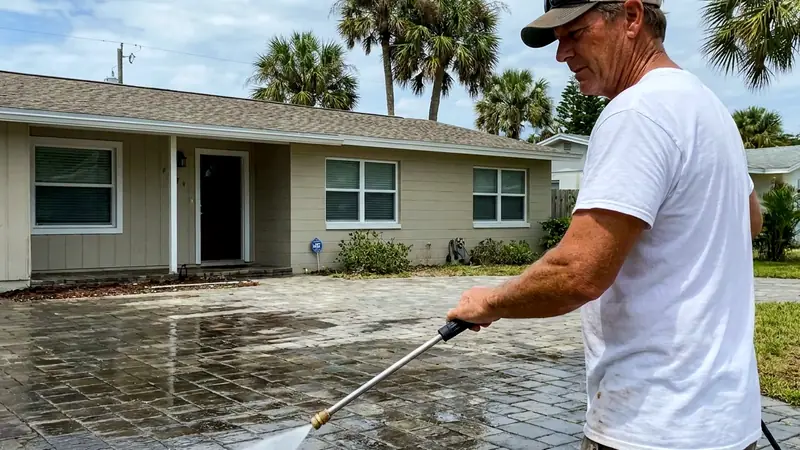
Cleaning removes green growth, leaf tannin and any rust marks. Shaded north-facing areas get special attention. Natural stone is cleaned with products suited to it. Pavers and the wall behind them are rinsed so nothing sits on the surface. Low pressure is the safer choice on older surfaces. Rust marks are treated here, not after sealing.
Sand the joints back in
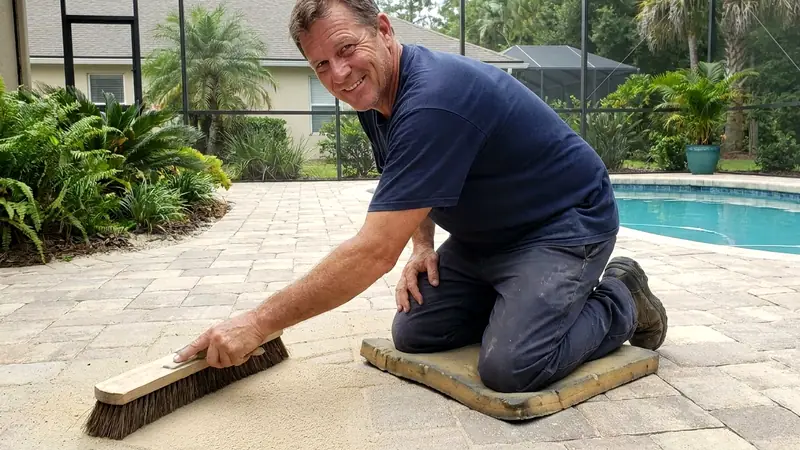
Washing takes out the joint sand, so fresh sand goes in before sealing. Full joints keep weeds and soil out. The surface is swept clean. Joints that have been low for a long time may take a lot of sand. A contractor may also look at where the sprinklers land.
Wait for the damp to leave
From May through October the weather is hot and wet, with thundershowers most summer days. Sealer needs a dry surface, and marsh humidity can slow drying. A careful contractor will not seal damp pavers or seal right before a forecast downpour. Shaded spots can need extra time. Cooler months from November through April usually dry faster. Palencia's marsh air can slow drying, so extra time at the end of a wet week is normal.
Put on the chosen sealer
Sealer is sprayed on and back-rolled. Wet look deepens the color; matte leaves the natural appearance alone. One Jacksonville company puts full-sun driveways at about 18 to 24 months between coats and shaded walkways at 24 to 36 months. Ask which range fits your lot. Within a few hours people can usually walk on the pavers, and cars wait roughly a day.
Complete paver services in Palencia
A Palencia job runs in four steps: wash, new joint sand, dry-out and sealer. The wash handles oak film, mildew and rust. Sealer goes last so nothing is trapped beneath it. To ask how long each step takes on your property, call (904) 606-1450.
Palencia homes can have a long driveway, a front walk, a courtyard and a pool deck, and each wears differently. Driveways take sun and tires, shaded walkways grow green, and pool surrounds take chemicals and sunscreen. Each surface can get its own finish and its own care. Tell the contractor which surfaces you want done when you request your free estimate.
Finish choice follows the surface. A wet look deepens color on concrete pavers, while matte keeps a natural appearance and suits stone. If an earlier owner used a solvent-based coat, a water-based product cannot go over it. Call (904) 606-1450 to talk through which finish fits.
Timing follows the weather. The hot, wet season runs May through October, and the cool, dry season runs November through April. Daily summer storms are brief but intense. For a date that suits your lot, request your free estimate.
Questions to ask before you hire
- What do you do about efflorescence, the white haze that comes up through the pavers?
- How do you handle pavers near a screened lanai or pool cage?
- Will the quote say how many square feet you measured and how you got that number?
- How do you protect my landscaping and potted plants from the cleaner and sealer?
- What happens if it rains or the dew is heavy on the day you scheduled?
- How often will these pavers need a fresh coat in this coastal sun and humidity?
- Do you seal the edges along the grass and the pool coping too?
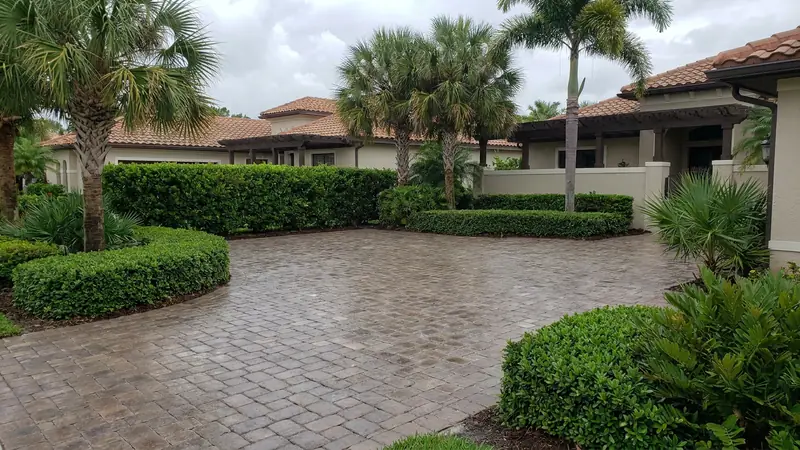
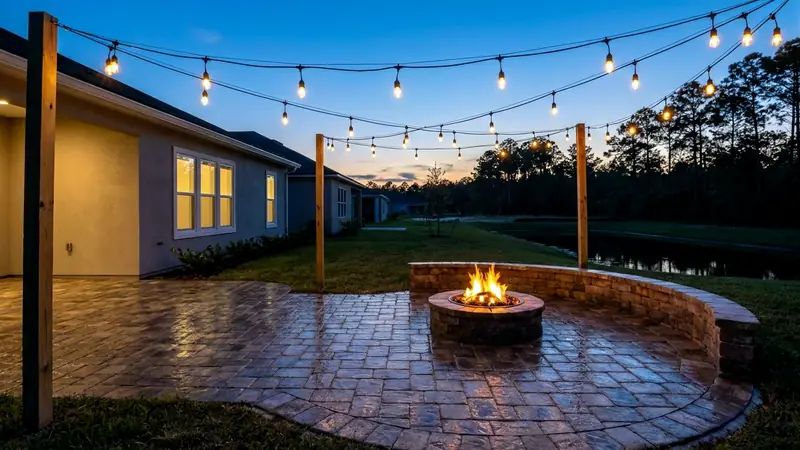
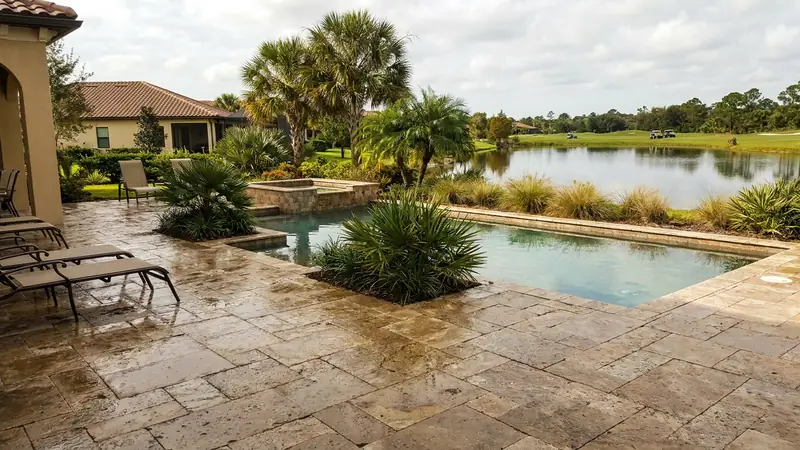
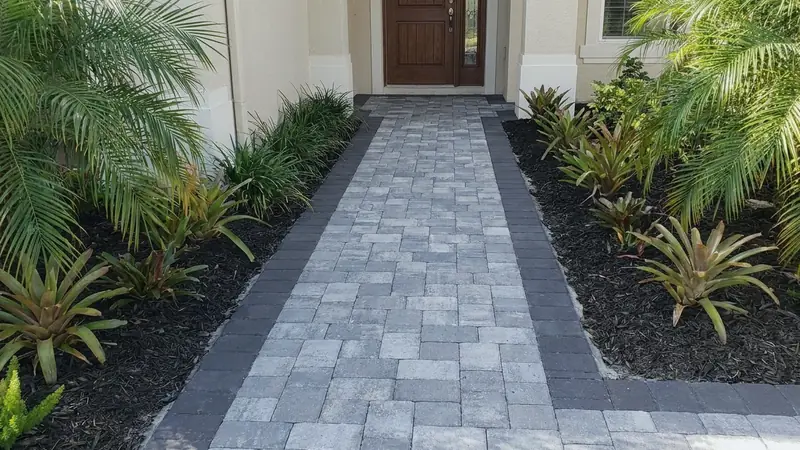
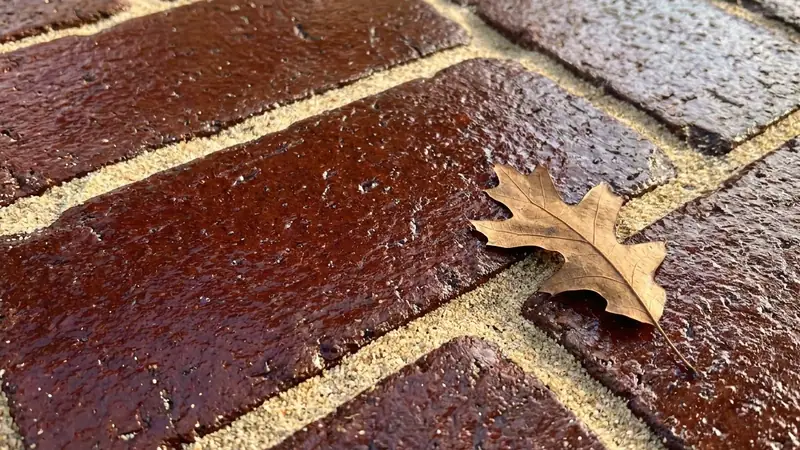
What do sealed pavers look like around Palencia?
Why local matters in Palencia
A contractor who knows Palencia asks about the oaks first. Heavy shade changes how often the wash is needed, and it affects drying time on sealing day. The planners hand-marked trees to save, so those oaks are part of the lot for good. To reach a contractor who works in St. Johns County, call (904) 606-1450.
Local contractors also expect marsh air and damp side yards. Marsh-edge lots on the Intracoastal may stay damp longer than lots by the Village. A contractor who sees both can plan the sealing day around the slowest spot. You can request your free estimate and ask how that plan would work for you.
Master-planned communities come with rules, and a local contractor is used to asking about them. Ask about gate access, vendor hours and any association notice before the work starts. A short call can prevent a delay later. Reach out with request your free estimate to start, with no obligation.
What should a Palencia homeowner know about the marsh and golf setting?
Palencia grew from a project first called Marshall Creek, with two miles of Intracoastal frontage and 400 acres of oak forest. Full-force work began in May 1997. The golf course winds through maritime oaks along the waterway, and the Village Center follows St. Augustine's Spanish colonial style. If you live near the Village, request your free estimate.
The Tolomato River, which many locals still call the North River, runs beside the community. Stokes Landing Conservation Area sits next to the GTM Research Reserve and has an observation platform over the marsh. Pine Island Fish Camp is part of the nearby Palencia North plan. If your home is near one of these spots, call (904) 606-1450 for an estimate.
Palencia's Village Center has cafes, street-level shops and offices that mirror St. Augustine's look. The community counts three swimming pools and a 30-acre park system joined by boardwalks. Near the Village or the parks, call (904) 606-1450 to ask for a free estimate.
Frequently Asked Questions
What is the average cost to seal pavers in Palencia?
A full clean, sand and seal job is commonly listed by Northeast Florida companies at $1.75 to $3.25 per square foot. A large Palencia lot adds up, but larger projects tend to get a better per-square-foot rate. Stone and strip-and-reseal work cost more. Have the measured area written into the quote. A small walkway costs more per square foot than a long drive.
Is it worth it to seal pavers in Palencia?
Often yes, because shade, humidity and sun all work on bare pavers. A St. Augustine company says sealing protects against stains, fading and erosion, though it is not required. Sealing also holds joint sand and makes the next cleaning easier. The coat wears, so plan for a recoat.
How often should pavers be resealed in Palencia?
From one coat to the next, companies commonly quote a span of two to five years. A Jacksonville company suggests 18 to 24 months for full-sun driveways and 24 to 36 for shaded walkways. A St. Augustine company suggests 3 to 5 years. Your shade, traffic and finish all move the number.
How long should new pavers wait before sealing in Palencia?
Two St. Augustine paver companies say to wait about 60 to 90 days after installation. That gives trapped moisture time to escape. Ask your builder for the install date and tell the contractor when you request an estimate. Sealing early may trap moisture beneath the coat.
Can travertine or natural stone pavers be sealed in Palencia?
Yes, but the plan differs. Travertine and natural stone are more porous than concrete pavers and need different sealer chemistry. A St. The same company says natural stone gets handled differently from concrete. Ask the contractor to name the product and the finish.
Do I need HOA approval to seal pavers in Palencia?
It depends on your documents. Florida Statute 720.3035 limits an association's review of appearance to what its declaration or guidelines state. If your community asks for approval, send the product name and the finish. Ask the board first if you are unsure. Keep a copy of any approval you receive.
Why do my Palencia pavers get green in the shade?
Algae and mildew grow wherever shade and humidity keep a surface damp. On many St. Johns County lots that means side yards and the north-facing patio. A wash clears it, and sealer makes later cleanings easier. Heavy shade means it can return. A shaded patio may go green again sooner than a sunny driveway.
Can rust stains on my Palencia pavers be removed before sealing?
Often they lighten, though results vary. Rust comes from metal furniture, garden tools or iron-rich hard water. The contractor treats rust before sealing, since sealer would lock it in. Moving furniture feet and redirecting spray heads helps keep new stains away. Deep stains may not come out fully, and a good contractor says so before the work starts.
Does sealing help pavers in Palencia?
Yes, in most cases, since oak shade, marsh humidity and summer storms all work on bare pavers. Sealing slows weeds and holds joint sand in place. It also gives you an easier surface to clean. A coat does wear down, so plan for a refresh and keep the product name.
Why is paver sealing so expensive in Palencia?
Prep takes most of the hours. Washing, new joint sand, stripping any failed sealer and dry-out time all come before the sealer. Stone and larger courtyards add to the work. A written, itemized quote shows where the price comes from.
Ready for a Free Estimate in Palencia?
Call (904) 606-1450 and tell us about your pavers.
Free, no obligation